The Jack Russell Terrier is among the dog breeds with a lifespan above average. This extended lifespan does not protect it from specific pathologies related to its genetics, compact morphology, and a temperament that exposes it more to accidents than calmer breeds.
Poisonings and trauma: under-documented causes of mortality in the Jack Russell
Articles on Jack Russell health focus on genetic diseases or cancers. However, French veterinary data shows that trauma and domestic poisonings account for a significant portion of deaths among small dogs, particularly young ones.
The Jack Russell combines two risk factors: constant curiosity and a size that makes it vulnerable to falls, collisions with vehicles, and ingestion of objects or toxic substances. Rodenticides (rat poison), chocolate, xylitol found in some chewing gums, and human medications (ibuprofen, acetaminophen) are the most common poisoning agents.
In urban environments, the risk of public road accidents increases. An unleashed Jack Russell in an open environment can cover a considerable distance in a matter of seconds, attracted by a hunting stimulus. Understanding the main causes of death in Jack Russells helps to gauge how much these accidents weigh in the balance, far beyond what their media coverage suggests.

Genetic diseases of the Jack Russell Terrier: patellar luxation, ataxia, and eye disorders
The genetic selection of the Jack Russell has favored certain hereditary predispositions. Three categories of pathologies deserve particular attention.
Patellar luxation and joint fragility
Patellar luxation frequently affects small breeds. In Jack Russells, the patella can move laterally, causing intermittent lameness that worsens over time. Without surgical intervention in advanced cases, this condition reduces mobility and degrades quality of life to the point of prompting an euthanasia decision in older subjects.
Hereditary cerebellar ataxia
Cerebellar ataxia is a degenerative neurological disorder identified in the breed. The dog progressively loses coordination of its movements. The first signs often appear between a few months and a few years. There is no curative treatment, and a genetic test can identify carriers before breeding.
Eye disorders
The Jack Russell is predisposed to lens luxation and cataracts. These conditions are not directly fatal but significantly increase the risk of accidents in later life when the dog no longer perceives its environment correctly.
Cancers and heart disorders in older Jack Russells
Tumors are a common cause of death in dogs over ten years old. The Jack Russell, due to its longevity, often reaches an age where tumor risk becomes the leading cause of mortality.
Mast cell tumors (skin tumors) and lymphomas are among the most reported cancers in the breed. A growing subcutaneous nodule, unexplained weight loss, or sudden fatigue in an otherwise hyperactive dog warrants a prompt consultation.
Heart disorders, particularly valvular diseases (degeneration of heart valves), progress silently. A heart murmur detected during a routine examination often serves as the first indication. Without follow-up, heart failure sets in and significantly reduces remaining life expectancy.

Aging in the Jack Russell: deafness, cognitive decline, and late accident risks
The apparent robustness of the older Jack Russell masks sensory and cognitive disorders that gradually develop. Age-related deafness is common in the breed. A dog that no longer responds to vocal recalls is not stubborn; it can no longer hear.
Canine cognitive decline, comparable to senile dementia, affects Jack Russells from around ten years old. Signs include:
- Disorientation in familiar places, including inside the home
- Disrupted sleep cycles with nighttime awakenings and vocalizations
- Loss of house training learned over the years
- Decreased social interactions with household members
These disorders increase the risk of domestic accidents (falls down stairs, escapes due to disorientation). A deaf and disoriented Jack Russell in an urban environment is in immediate danger.
Concrete prevention: veterinary check-ups, genetic tests, and securing the living environment
Preventing causes of death in the Jack Russell relies on three complementary axes.
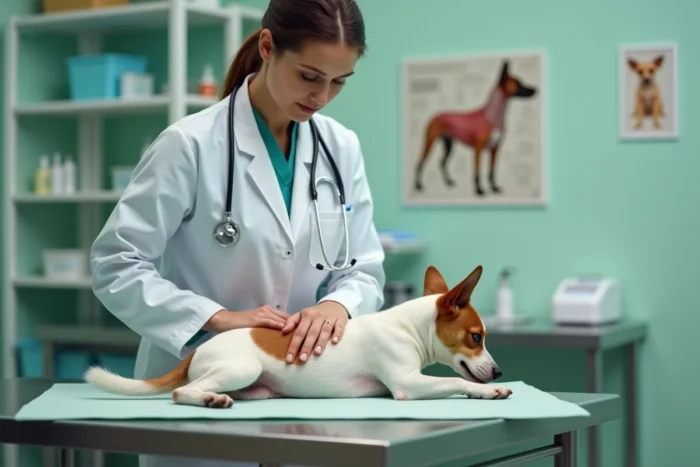
- Biannual veterinary check-ups starting at seven years: a complete clinical examination with cardiac auscultation, abdominal palpation, and blood tests can detect tumors, kidney failure, or valvular disease before visible symptoms appear
- Genetic tests before adoption or breeding: screening for cerebellar ataxia and lens luxation is available and allows the exclusion of homozygous carriers from breeding programs
- Securing the home environment: systematic storage of medications and toxic products, installation of stair barriers for older subjects, and appropriate fencing in gardens to prevent escapes related to hunting instinct
Maintaining physical activity appropriate for age also protects the joints and limits weight gain, an aggravating factor for patellar luxation and heart disorders.
A Jack Russell that receives regular veterinary care and lives in a secure environment maintains remarkable quality of life into advanced age. The most common causes of death in this breed are, for the most part, detectable or preventable long before they become fatal.