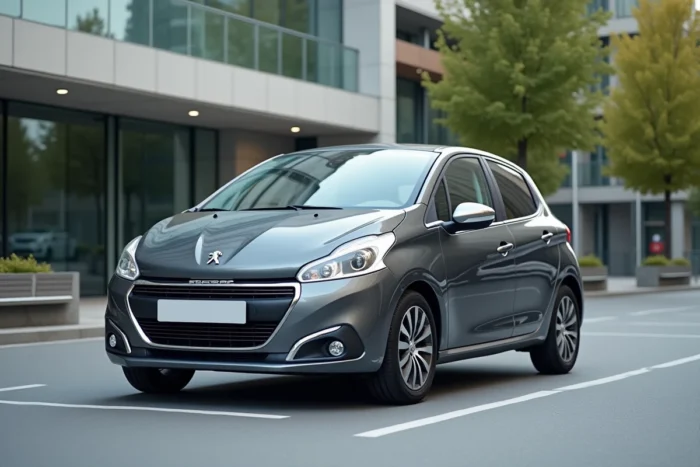
The Peugeot 208 offers a range of engines from a three-cylinder petrol to an electric block, including a unique diesel and recent mild hybrids. For a buyer, the choice is not limited to the displayed power: real consumption, type of gearbox, engine reliability, and manufacturing date weigh equally in the balance. Comparing the engine versions of the 208 requires crossing these technical parameters with specific daily use.
Comparison table of Peugeot 208 engines: power, torque, and transmission
| Engine | Displacement | Power | Torque | Gearbox | Energy |
|---|---|---|---|---|---|
| PureTech 75 | 1.2 L – 3 cylinders | 75 hp | Moderate torque | Manual 5 | Petrol |
| PureTech 100 | 1.2 L – 3 cylinders | 100 hp | Torque higher than 75 | Manual 6 or auto EAT8 | Petrol |
| PureTech 130 | 1.2 L – 3 cylinders | 130 hp | High torque | Auto EAT8 | Petrol |
| BlueHDi 100 | 1.5 L – 4 cylinders | 100 hp | Generous diesel torque | Manual 6 | Diesel |
| e-208 electric | Electric motor | 136 hp | Instant torque | Automatic | Electric |
This table covers the main versions available on the 208 II. With the facelift, Peugeot introduced 48V hybrid engines that change the game for petrol blocks. Understanding the engines of the Peugeot 208 in their entirety helps to go beyond a simple reading of the technical sheet.
Reliability of the PureTech 1.2 engine: manufacturing date as a selection criterion
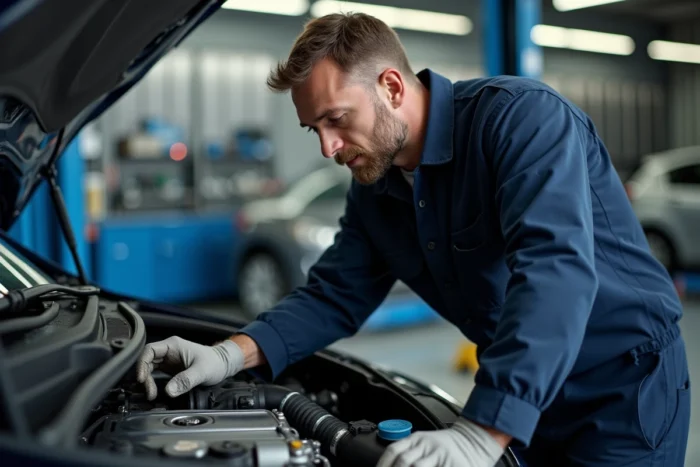
The 1.2 PureTech engine equips almost all petrol 208s. It is also the one that raises the most questions. The models from 2014 to 2022 were subject to massive recalls related to the wet timing belt. This belt, submerged in engine oil, deteriorates prematurely. Rubber residues clog the oil intakes, causing accelerated wear and even a fire risk linked to a failing cooling nozzle.
Blocks produced from 2023 incorporate design changes (belt and internal parts) that significantly reduce this risk. The reputation of the PureTech remains tarnished, but a post-2023 engine no longer presents the same failure profile as a 2019 block.
A second defect has been identified in engines manufactured until February 17, 2024: a timing issue related to the positioning of the camshaft gear screws. Stellantis has launched a correction campaign for these units. For a used car buyer, checking these points remains non-negotiable:
- Ask for the exact manufacturing date of the engine, not just the vehicle registration date
- Check if the timing belt has been replaced and if the vehicle is part of the batches recalled by Stellantis
- Check the oil level and look for any signs of abnormal consumption (smoke on startup, level dropping between oil changes)
48V Hybrid and new three-cylinder: what changes with the facelift
The facelift of the 208 II marks a technical turning point. Peugeot has introduced 48V hybrid engines that gradually replace the old PureTech. The change is not limited to the addition of a starter-generator: the distribution architecture evolves, abandoning the wet belt in favor of a timing chain.
This switch to a chain eliminates the main point of fragility of the old blocks. For a new buyer, this is a decisive argument. The timing chain does not require periodic replacement, which reduces maintenance costs over the vehicle’s lifespan.
The 48V hybridization also provides a gain in comfort at low speeds. The auxiliary electric motor smooths out jolts during startup and maneuvering. Urban cycle consumption is improved compared to classic PureTech, without reaching the levels of an electric version.
BlueHDi diesel: a choice that is becoming rarer
The BlueHDi 1.5 is still offered, but its future in the 208 range is uncertain. The four-cylinder diesel block offers generous torque and reduced consumption on highways and long trips. However, it loses all interest in dominant urban use: the purchase premium, the price of diesel, and the maintenance of the pollution control system (particulate filter, AdBlue) negate the theoretical savings.
For a driver regularly covering more than 20,000 km per year with a significant portion on the highway, diesel remains economically logical. For all other profiles, hybrid petrol blocks or the electric version are more relevant.
Electric version e-208: real range and cost of use
The e-208 features a 136 hp electric motor with instant torque available. In urban driving, it is the most pleasant version in the range. The silence of operation and the absence of a traditional gearbox transform the daily experience.
The cost of use of the e-208 remains significantly lower than that of thermal versions: no oil changes, no belt, no particulate filter. Maintenance is limited to brakes (less stressed thanks to regenerative braking), tires, and brake fluid.
The limitation lies in the real range, which varies significantly depending on the season and type of journey. On the highway in cold weather, the range drops notably compared to the values announced in mixed cycle. A primarily urban and suburban use, with regular access to a charging station (home or work), remains the condition for the e-208 to meet its promises.
The choice between the engine versions of the Peugeot 208 relies less on power than on three concrete variables: annual mileage, access to a charging station, and the manufacturing date of the PureTech block for the used market. A buyer who decides on these three points quickly eliminates unsuitable engines for their use.